

Personalization in Shopping Malls: How to Walk, Run & Fly
Personalization in Shopping Malls is crucial for attaining loyal customers. Explore how to walk, run and fly today.
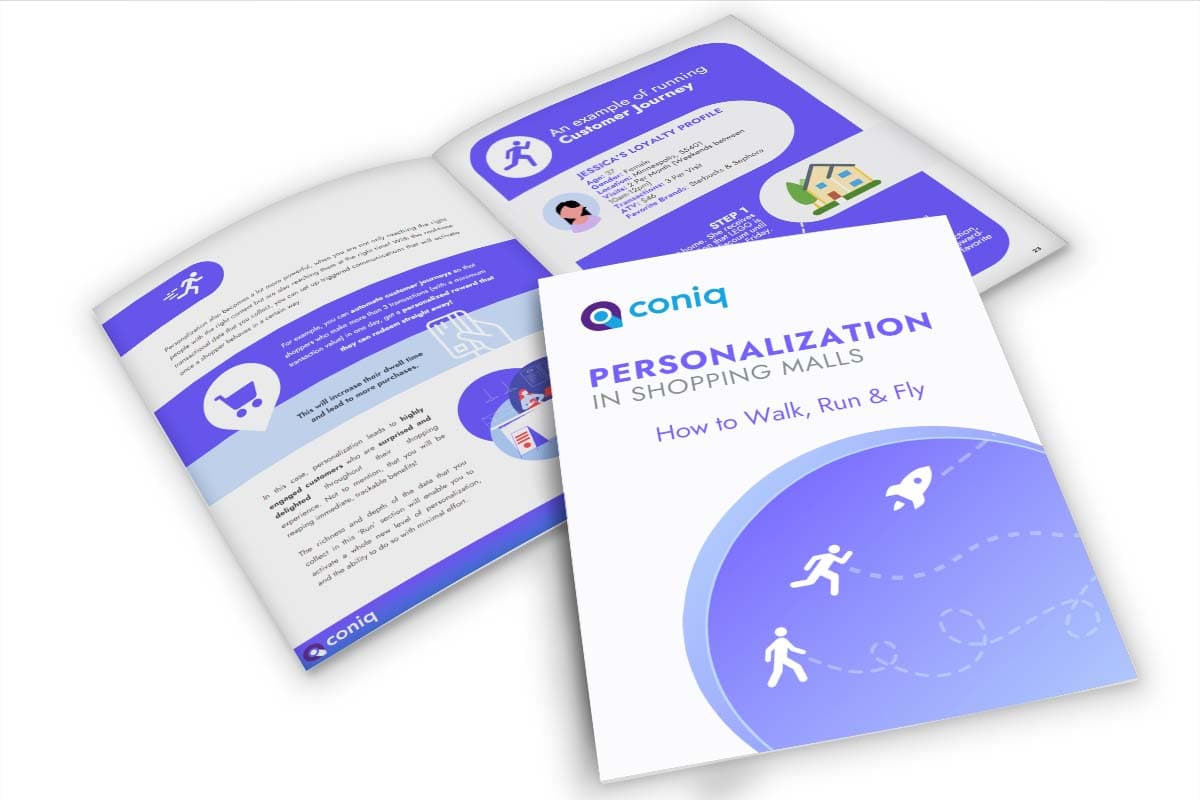
The current economic climate has placed enormous amounts of pressure on shopping destinations as they attempt to meet their customers’ ever-changing needs. From increases in the cost of living to customer retention pressures and significant changes in shopping behavior, it is clear that there is a multitude of challenges that shopping malls must tackle.
Why focus on customer personalization?
In this guide, you will discover why 71% of shoppers expect personalized experiences across all channels. That's right, your customers expect it, and your competitors are already investing in it. So, if you are starting your journey or wish to take a step further towards implementing a personalized marketing strategy in your shopping mall, then our complete guide can help.
Walk, run, fly: the three stages
The guide splits personalization into three stages. Each one adds a new kind of shopper data and a new way to use it.
Walk: basic data and simple segments
Collect identification, demographic and location data through Wi-Fi sign-ups, events, competitions and newsletters. Group shoppers by age, gender and distance from the centre, then send each group newsletters, birthday emails and sign-up offers that suit it.
Run: behaviour and transactions
A mall loyalty program shows how often each shopper visits, which stores they use and when. Add transaction data and you also know average transaction value, spend per visit and lifetime value. The guide compares four ways to capture transactions: in-store hardware, customer information desks, receipt scanning and card-linking. With that data you can trigger rewards automatically, for example after three purchases in one day.
Fly: connect every channel
The most advanced centres add location data (dwell time, visit-to-purchase conversion), e-commerce, product-level (SKU) data and gamified app features. They then connect these sources so a shopper's online and in-centre activity feed the same profile.
Key takeaways
- Start with the data you can collect today. Wi-Fi and event sign-ups are enough to build your first segments.
- A loyalty program is the most practical way to see behaviour across all tenants. Footfall counters and beacons don't tie activity to individual shoppers.
- Transaction data lets you reward spend, not just visits, and focus on your most valuable shoppers.
- Automate with rules rather than one-off campaigns. Segment rules and triggered messages scale without extra work for the marketing team.
In one Coniq client program covered in the guide, personalized content based on location and behaviour raised average transaction value from $35 to $48.
Who it's for
Shopping centre and outlet marketing teams at any stage, from those building their first database to those connecting e-commerce and app data.
See how Coniq's customer platform handles segments and journeys, or book a demo to talk it through.